Baking Your First Loaf of Bread Without Fear
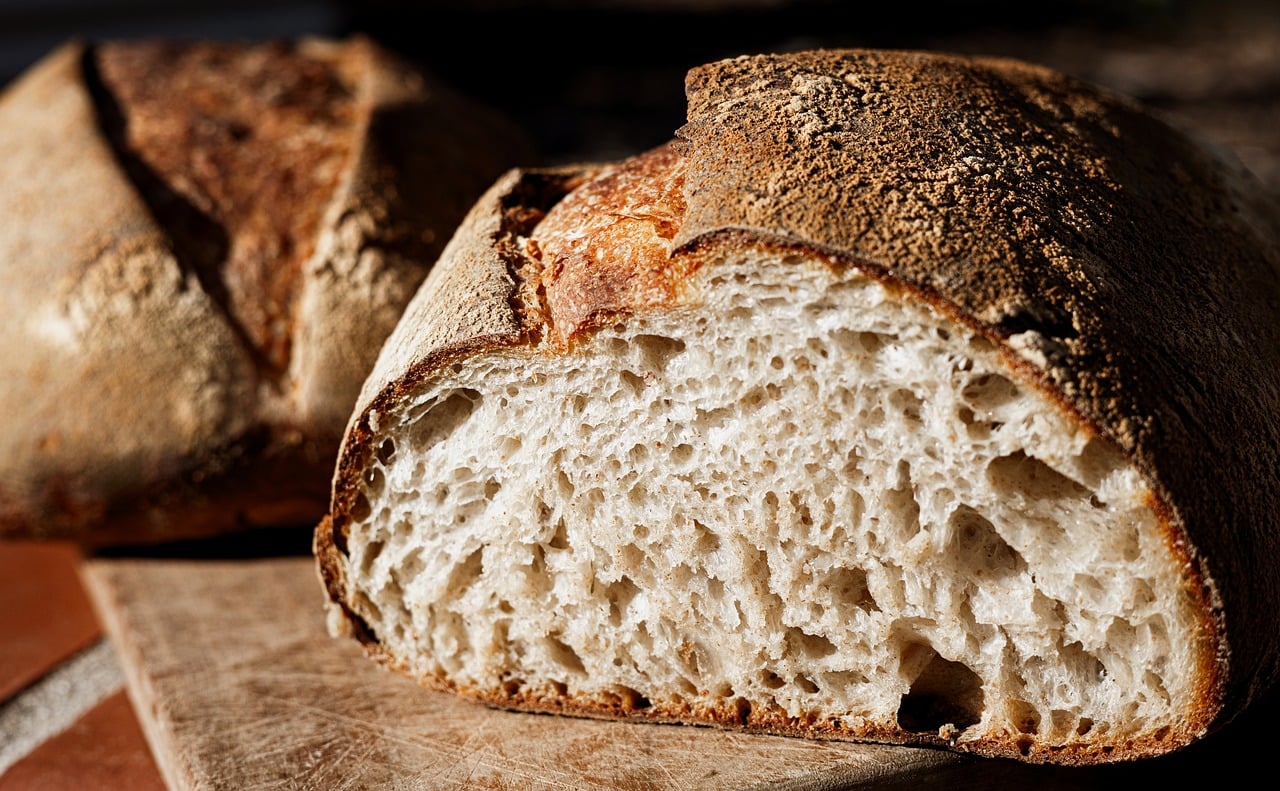
Bread has a reputation for being difficult, and honestly, that reputation is undeserved. People have been baking bread for thousands of years with nothing but flour, water, salt, and time. If your ancestors could do it over a fire, you can do it in a modern oven with a digital scale and a thermostat. The trick is choosing a recipe that works with your life rather than against it, and no-knead bread is exactly that recipe.
The idea is simple. Instead of kneading for ten minutes to develop gluten, you stir together a wet dough, cover it, and let it sit for twelve to eighteen hours. Time does the work your arms would have done. The result is a loaf with an open, airy crumb and a crackly crust that makes you feel like a genuine baker.
The Basic Method
In a large bowl, combine three cups of bread flour, a teaspoon and a half of salt, and a quarter teaspoon of instant yeast. Add a cup and a half of lukewarm water and stir with a wooden spoon until no dry flour remains. The dough will look shaggy and sticky, more like a batter than a ball. That is correct. Cover the bowl with plastic wrap or a plate and leave it on the counter overnight, anywhere from twelve to eighteen hours.
The next day, the dough will be bubbly, doubled, and smell pleasantly yeasty. Turn it out onto a floured surface and fold it over itself a few times, shaping it into a rough round. Let it rest on a piece of parchment paper for an hour while your oven preheats to 450 degrees Fahrenheit with a covered Dutch oven inside. Carefully lower the dough into the hot pot, cover it, and bake for thirty minutes. Then remove the lid and bake another fifteen minutes until the crust is deep golden brown.
Let the loaf cool completely before slicing. This is the hardest instruction in the entire process, and the most important. Cutting into hot bread smears the crumb and makes it gummy. Wait an hour if you can. The reward is a loaf that slices cleanly and tastes even better the next day, toasted with butter.
Troubleshooting and Tweaks
If your bread came out dense, the likely culprit is old yeast or too short a rise. Yeast has a shelf life, so check the date on the packet. If the dough did not puff up overnight, your kitchen may have been too cold. Find a warmer spot, like the top of the fridge, or let it rise a few hours longer.
Once you have the basic loaf down, the variations are endless. Swap a cup of bread flour for whole wheat. Add a handful of olives, rosemary, or grated cheese during the folding step. Brush the crust with water for a shinier finish. Bread baking is a long conversation with your kitchen, and every loaf teaches you something. The first one might be lopsided. The fifth one will make you proud. Start today, and tomorrow you will have bread.