Five Small Homestead Habits That Save Real Money
Homesteading is often pictured as a big leap: acres of land, a barn, a flock of chickens. But most of the people who actually save money doing this started small, with habits they could keep. A few minutes here, a small change there. Over a year, those habits add up to real savings and a kitchen that runs smoother.
None of these require land, livestock, or a big budget. They just require you to notice what you are already doing and tweak it a little.
Habits That Pay You Back
The first is saving scraps for broth. Every onion end, carrot peel, celery leaf, and chicken bone that would have gone in the trash can go in a bag in the freezer instead. When the bag is full, dump it in a pot with water and simmer it for a couple of hours. Strain it and you have broth. Do this a few times a month and you will never buy boxed broth again. It is one of the easiest swaps a beginner can make.
The second is baking your own bread, or at least trying it once a month. A loaf of sandwich bread costs a few dollars at the store. The same loaf made at home costs pennies in flour, yeast, salt, and water. It takes time, but most of that time is waiting, not working. Even if you only bake one loaf a week, you will notice the difference in your grocery bill by the end of the month.
The third is growing something edible, even if it is just a pot of herbs on the windowsill. A bunch of basil from the store costs a few dollars and wilts in a week. A basil plant on the counter costs about the same and keeps producing for months if you water it and pinch off the flowers. The same goes for green onions, parsley, and mint.
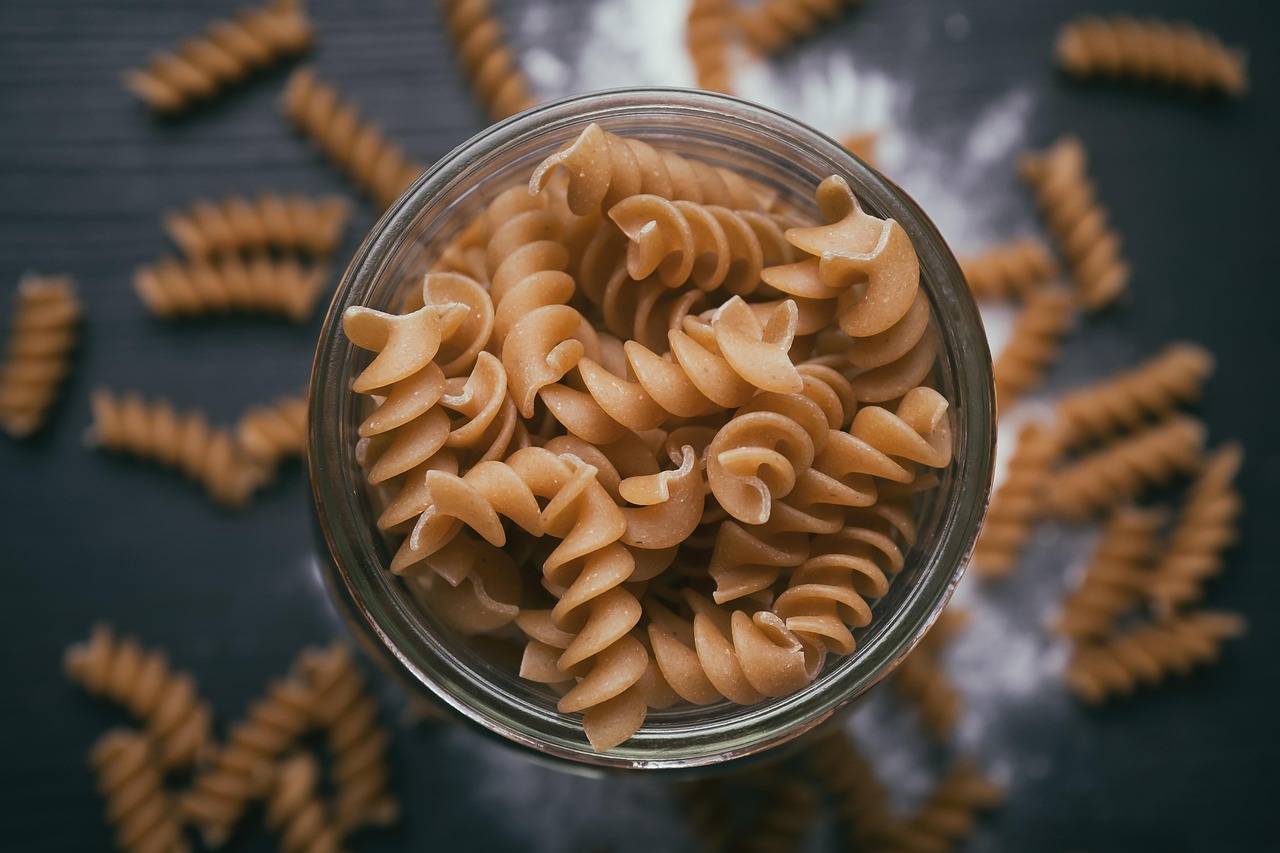
The fourth is buying in bulk when it makes sense. Not everything is cheaper in bulk, and not everything stores well. But rice, dried beans, flour, oats, and sugar are almost always cheaper in larger bags. Split them into jars or containers when you get home so they stay fresh and are easy to use.
The fifth is cooking from what you have before you shop. Once a week, look at your fridge and pantry and plan a meal around what needs to be used up. This is the habit that saves the most money, because it stops you from buying duplicates and throwing away food you forgot about.
Why Small Habits Beat Big Plans
Big plans are exciting, but they are also easy to abandon. A plan to overhaul your entire kitchen in one weekend will probably fall apart by Tuesday. A habit of saving scraps in the freezer takes ten seconds and sticks.
What matters is that the habit is small enough to keep on a bad day. If you can do it when you are tired and busy, it will still be there a year from now. If it requires a perfect afternoon, it will not.
Pick one thing from this list and try it for a month. Not all five. One. See how it feels, and notice what it saves you. Then add another. That is how a homestead actually gets built, one small habit at a time, in the middle of a real life.