The Quiet Joy of a Well-Stocked Pantry Shelf
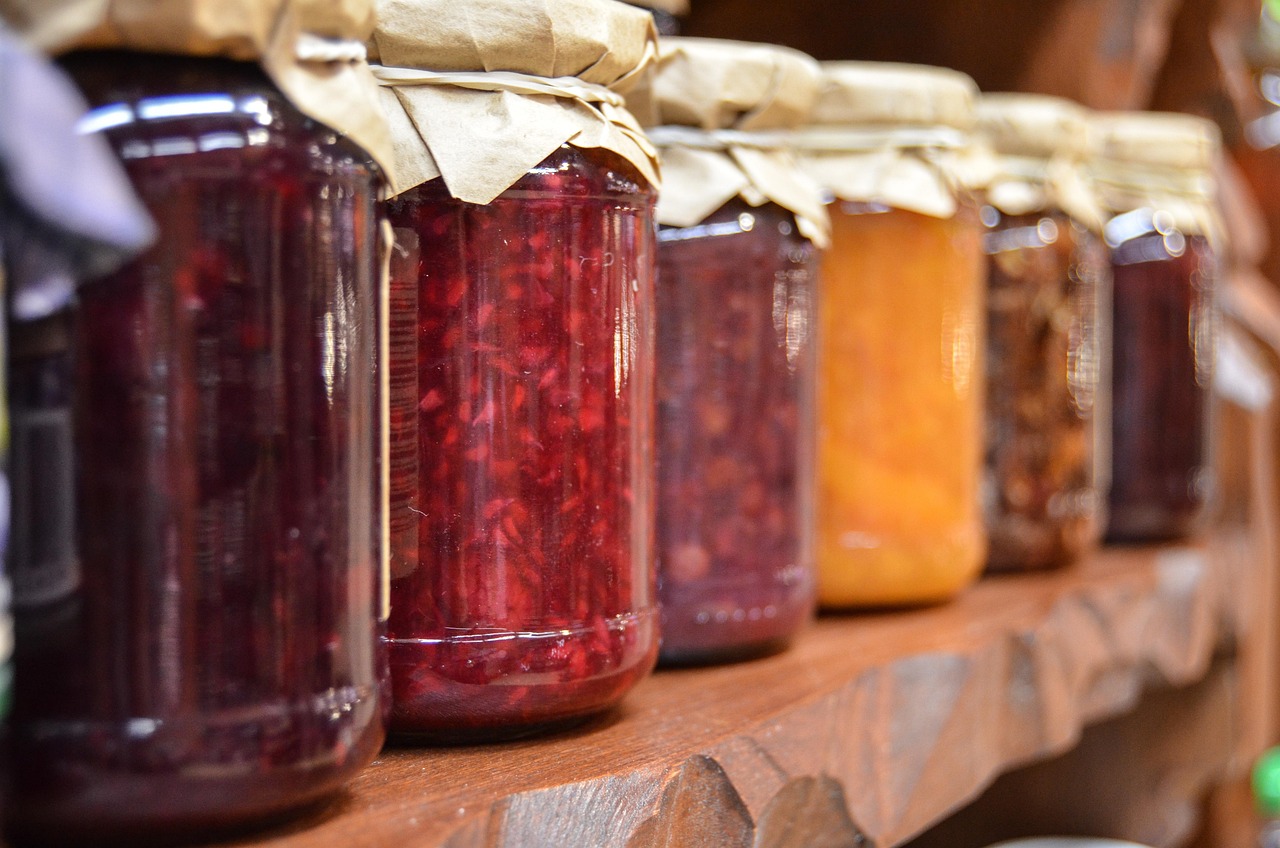
There is a particular kind of calm that comes from opening a pantry and knowing dinner is already in there. Not a fancy pantry with matching labels and marble countertops, but a real one, with a few jars that are half empty and a bag of rice that has been opened three times. That shelf is not about aesthetics. It is about having options when you are tired, hungry, and out of ideas.
Building a pantry does not happen in one shopping trip. It happens over months, a little at a time. You buy two cans of tomatoes instead of one when they are on sale. You notice you keep running out of olive oil and start keeping a backup. Slowly, without much effort, you end up with a shelf that can carry you through a bad week.
The Starter List Worth Keeping
You do not need fifty items to make this work. Start with a short list of things you actually cook with, then expand as you notice what you reach for.
For grains and starches: rice, pasta, rolled oats, and a bag of dried beans or lentils. Dried beans take longer than canned, but they are cheap and they keep for years. Canned beans are fine too, and honestly more realistic for most weeknights.
For flavor: olive oil, a neutral oil like canola, salt, black pepper, garlic, onions, canned tomatoes, soy sauce, vinegar, and a jar of something spicy if you like heat. A few dried herbs, especially oregano, thyme, and bay leaves, will carry you further than you expect.
For protein: canned tuna or salmon, peanut butter, and eggs in the fridge. If you keep chickens, you already have the eggs handled.
For baking: flour, sugar, baking powder, baking soda, and yeast if you plan to make bread. A jar of honey or maple syrup is a nice thing to have on hand.
That is a pantry. Everything else is a bonus.
How to Actually Keep It Stocked
The trick is to shop your own shelf before you shop the store. Once a week, take five minutes to look at what you have and what is running low. Write it down. When you go to the grocery store, buy one extra of anything you use often. This is how a pantry grows without a big upfront cost.
Store things where you can see them. Jars on a shelf beat bags shoved in a cabinet every time. If you can see the rice, you will remember you have it. If you cannot see the lentils, they will sit there for three years.
Rotate as you go. New items go behind old ones. This is a small habit that saves you from finding a mystery can from 2019 at the back of the shelf.
Finally, cook from the pantry on purpose once a week. Make a pot of beans, a simple pasta, or a batch of oatmeal. This keeps the shelf moving and reminds you why you built it. A pantry is not a museum. It is a quiet resource, waiting for the nights when you need it most.