Your First Cast Iron Skillet: A Gentle Beginner's Guide
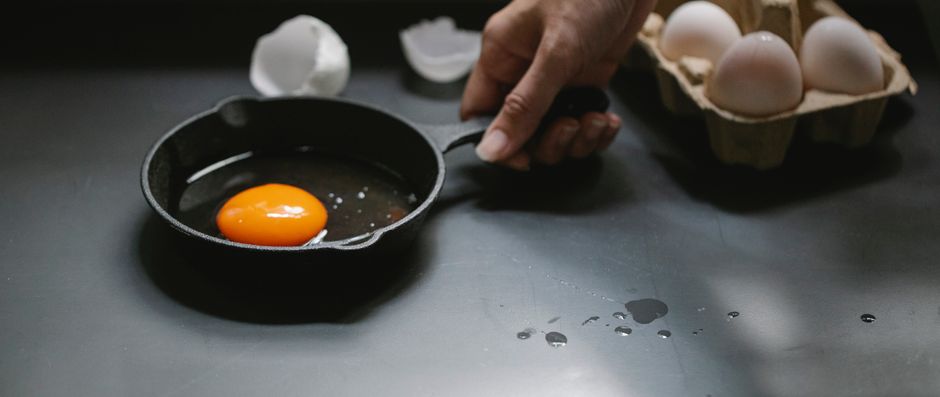
There is something about a cast iron skillet that makes a kitchen feel like a real kitchen. Maybe it's the weight of it in your hand, or the way it sits on the stove like it has been there for a hundred years. If you have been circling the cast iron section of the store but feeling too intimidated to bring one home, this guide is for you. Cast iron is not fragile, it is not fussy, and it does not require a chemistry degree. It just asks for a little patience.
Start with a ten or twelve inch skillet. That size handles eggs, cornbread, roasted vegetables, and a whole chicken thigh dinner without crowding. Skip the rusty flea market finds for now. A new pre-seasoned skillet from a reputable brand costs about the same as a decent nonstick pan and saves you hours of restoration work. Once you learn how the pan behaves, hunting for vintage pieces becomes a fun hobby rather than a frustrating chore.
Seasoning Without the Drama
Seasoning is just a layer of polymerized oil bonded to the iron. It sounds scientific, but the process is simple. Wash your new pan with hot water and a little mild soap, dry it thoroughly, then rub a thin film of neutral oil like canola or grapeseed over every surface, inside and out. Wipe most of it back off with a paper towel. The pan should look glossy, not greasy.
Bake it upside down at 450 degrees Fahrenheit for an hour, with a sheet of foil on the rack below to catch drips. Let it cool in the oven. Congratulations, you have just seasoned a skillet. Repeat this a few times in the first month and your pan will develop a dark, glassy surface that releases food beautifully. If your seasoning looks patchy or dull, that is normal. Just keep cooking.
Cleaning is where beginners often panic. You do not need to baby cast iron. Scrub it with hot water and a stiff brush or a chainmail scrubber. A little soap is fine, despite the old warnings. What matters is drying it completely. Put it back on the stove over low heat for a few minutes to evaporate every drop of moisture, then rub in a whisper of oil before storing. That is the entire routine.
Cooking That Builds Confidence
Your first meals should be forgiving ones. Bacon is the classic starter because the fat seasons the pan while you cook. Cornbread, seared sausage, and roasted potatoes are all excellent early projects. Avoid simmering tomato sauce or boiling water in a new skillet, since long exposure to acidic or watery foods can strip a young seasoning. Save the shakshuka and the lemon chicken for month two.
Give yourself permission to make mistakes. If you burn something, scrape it out, scrub the pan, and start again. If the seasoning flakes, it usually means the oil was applied too thickly, not that the pan is ruined. Cast iron is one of the few kitchen tools that genuinely improves with age and use. The skillet you cook with this year will be better next year, and better still the year after that. That slow accumulation of good meals is the whole point.