Keeping a Few Chickens Without Losing Your Mind
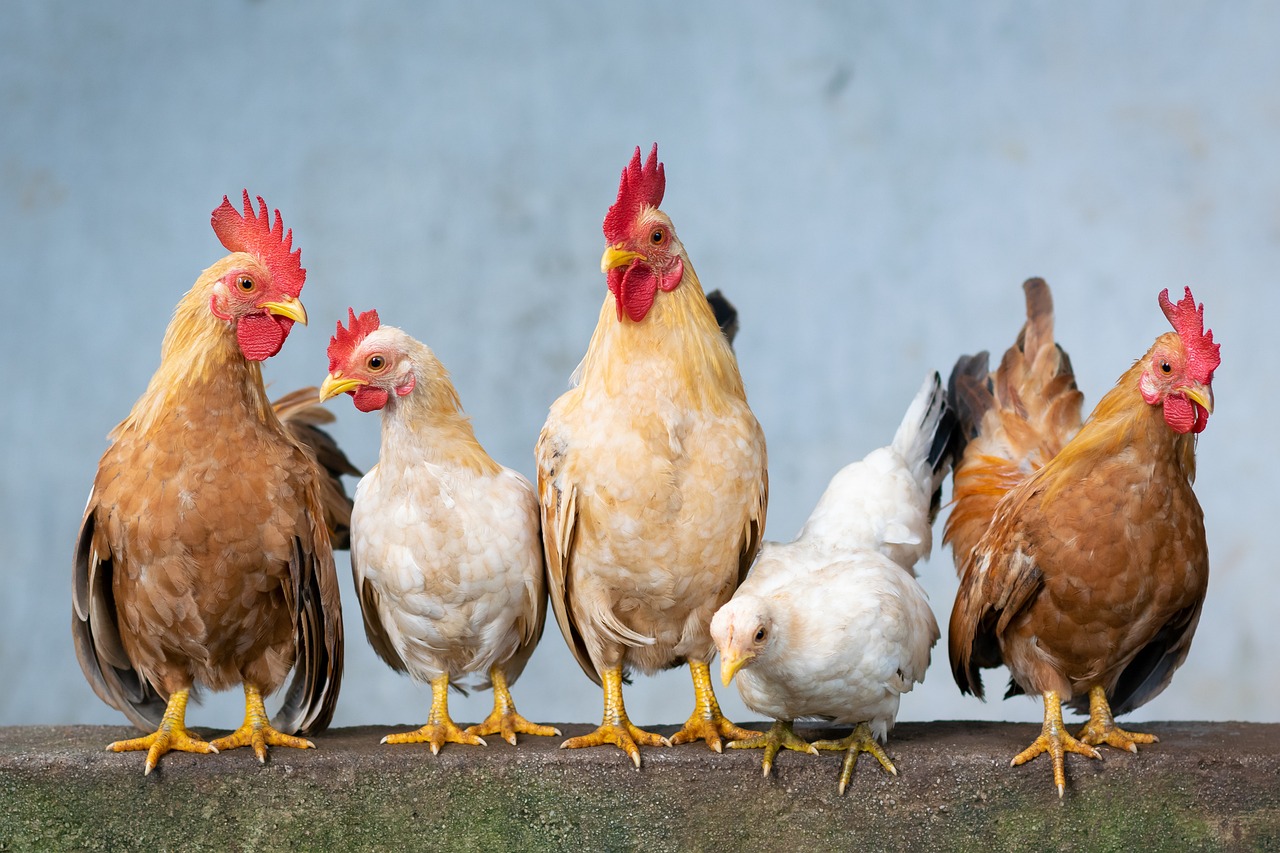
Few things make a home feel more alive than a small flock of hens scratching around the yard. They turn kitchen scraps into eggs, they eat bugs, and they have more personality than most people expect. But before you bring home a cardboard box of peeping chicks, it helps to know what you are actually signing up for. Chickens are not difficult, but they are a daily commitment, and a little planning now saves a lot of scrambling later.
Start with the coop. Each hen needs about two to three square feet of indoor space and at least eight to ten square feet of outdoor run, more if they will be confined most of the time. A coop should be dry, draft-free but ventilated, and secure against predators. Raccoons, foxes, hawks, and neighborhood dogs are all clever and determined. Use hardware cloth rather than chicken wire, because chicken wire keeps chickens in but does not keep predators out.
The Daily Rhythm
Every morning, let the hens out, refill their water, and give them their feed. A layer pellet or crumble designed for backyard flocks covers their basic nutritional needs. You can supplement with kitchen scraps, garden weeds, and free-ranging time, but treats should stay under about ten percent of their diet. Too many treats, especially bread and corn, make hens fat and reduce egg production.
Every evening, collect eggs. In summer you may want to check twice a day, since eggs left in heat can spoil. Close the coop at dusk to keep predators out, and do a quick headcount. Hens are creatures of habit and will usually put themselves to bed, which is one of the most charming things about them. Once a week, clean the coop, refresh the bedding, and scrub the waterer. Once a month, do a deeper clean and check for mites or lice around the vent and under the wings.
Expect about one egg per hen per day during the long days of spring and summer. Production slows in fall as daylight shortens, and many hens stop or slow down almost entirely in winter unless you add a light. That natural rhythm is normal, not a problem. Hens also molt once a year, losing and regrowing feathers, and often take a break from laying during that time.
What Nobody Tells Beginners
Chickens get sick, and finding a vet who treats poultry can be surprisingly hard. Learn the basics of common issues like egg binding, respiratory infections, and parasites before you need them. Keep a small first aid kit with gloves, saline, and wound spray. A hen with a minor injury can often recover with quiet, warmth, and clean bedding.
You will also get attached, which is both the joy and the heartbreak of keeping animals. Name them anyway. Sit with them in the evening and watch them dust bathe. Let the fresh eggs and the morning routine become part of your day. Start with three hens rather than ten, build a coop you can stand up in, and give yourself permission to learn as you go. The flock will teach you the rest.