Sunday Soup From a Bare Fridge
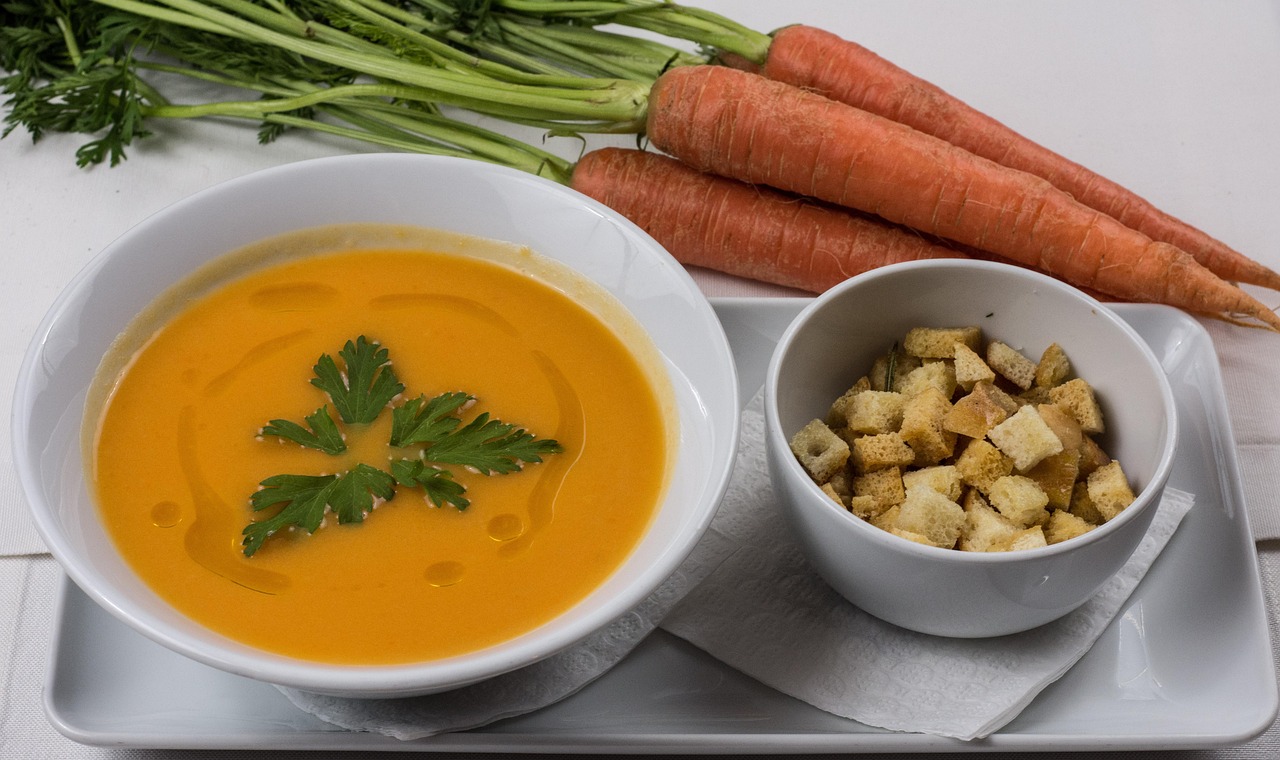
Some of the best meals I have ever made started with an almost empty refrigerator and a vague sense of guilt about the vegetable drawer. Soup is the answer to that feeling. It is forgiving, it stretches ingredients, and it makes the house smell like someone cares. You do not need a recipe so much as a formula, and once you learn it you will never look at leftover carrots the same way again.
The formula has four parts: an aromatic base, a main vegetable or two, a liquid, and a finishing touch. That is it. Everything else is variation. Learn the skeleton and you can improvise forever.
Building the Base
Start with fat and aromatics. A glug of olive oil or a knob of butter in a heavy pot, then diced onion, carrot, and celery if you have them. Cook them slowly over medium heat until they soften and smell sweet, about ten minutes. This step is where the flavor is born, so do not rush it. Add a few cloves of minced garlic in the last minute, plus salt and pepper. If you have herbs, dried thyme, oregano, or a bay leaf all work.
Now add your main vegetables. Almost anything goes: potatoes, squash, zucchini, cabbage, green beans, tomatoes, corn, mushrooms, kale. Cut them into roughly even pieces so they cook at the same rate. If you are using something delicate like spinach or peas, hold it back until the end. For protein, a can of white beans, a handful of lentils, or leftover shredded chicken all work beautifully. Lentils and dried beans need to go in early with more liquid.
Pour in your liquid. Vegetable or chicken broth is ideal, but water plus a spoonful of bouillon or a splash of soy sauce works in a pinch. Add enough to cover everything by an inch. Bring it to a simmer, then lower the heat and let it bubble gently until the vegetables are tender. A pot of soup can take twenty minutes or an hour, and both are fine.
Finishing Touches That Matter
The last five minutes are where a decent soup becomes a memorable one. Taste it and adjust the salt. Soup almost always needs more than you think. A squeeze of lemon juice or a splash of vinegar wakes up flat flavors. A spoonful of miso stirred in off the heat adds depth. Fresh herbs, a swirl of cream, a sprinkle of grated parmesan, or a handful of croutons turn a humble pot into dinner.
Soup also improves overnight, which means making it on Sunday gives you easy lunches for days. Store it in the fridge for up to four days or freeze portions flat in bags for busy weeks. And here is a homesteading bonus: vegetable scraps like onion skins, carrot peels, and celery tops can be saved in a freezer bag and simmered into your own broth. Nothing gets wasted, and your soup gets better every time you make it.